How to Replace a Lost or Broken Retainer Without Going Back to the Orthodontist
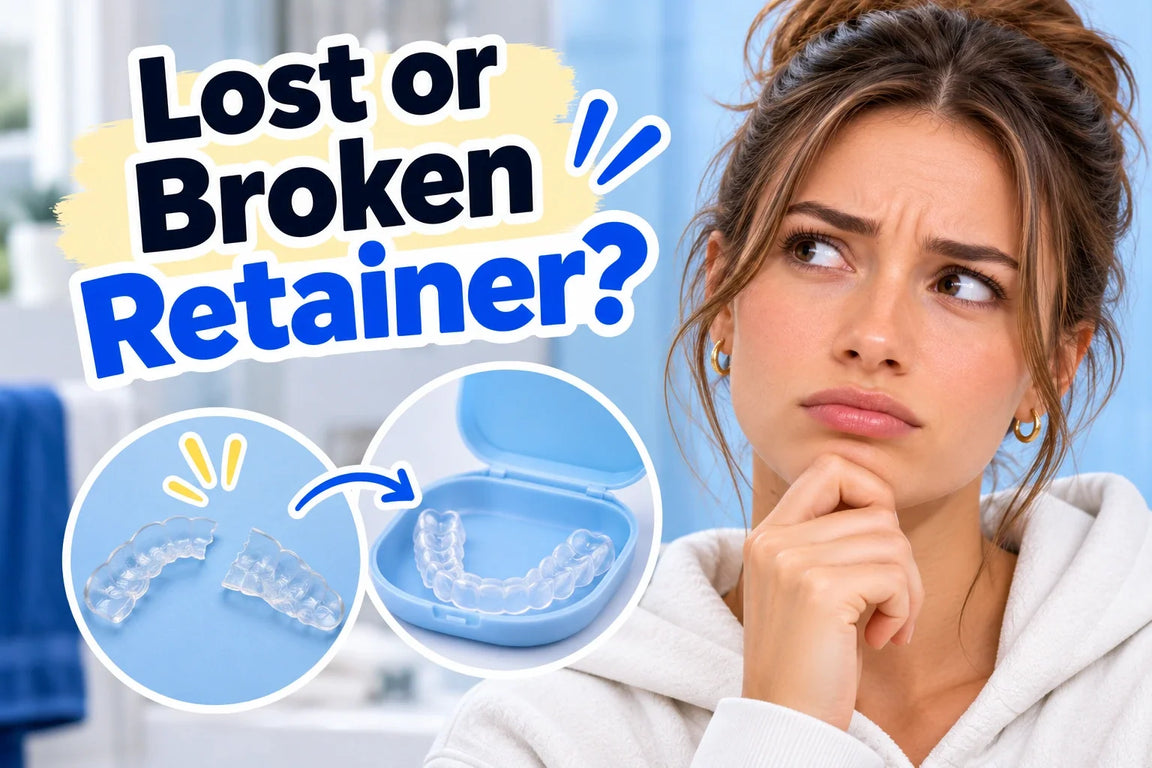
Maybe it went out with a napkin at lunch, or the dog found it, or you heard a small crack...


Your teeth are one of the greatest assets that help you eat, speak, and smile confidently.
But keeping them healthy is not just about brushing or flushing — it is also about protecting them from Bruxism(teeth grinding) and malocclusion (bad bite). Nearly 22% of people worldwide struggle with Bruxism and 56% with malocclusion. If left untreated, these issues can lead to severe tooth damage, jaw pain, headaches, and even costly dental treatments.
This is where mouthguards and retainers come into play.
While they look similar, they have different purposes. They are designed to protect your teeth and improve oral health. Unfortunately, many confuse both appliances, leading to improper usage and potential dental issues.
So, here we will share the key differences, benefits and ideal use for each. By the time you finish reading, you will know exactly which one fits your needs and how to keep your smile healthy for years to come!
Mouth guards are the appliances that are often worn over the upper teeth. In some situations, the dentist may also recommend a mouth guard for lower teeth. They are designed to protect against injury to the teeth, lips, gums, and jaw during high-impact sports activities and for conditions like teeth grinding or sleep apnea.
There are three types of mouthguards according to their usage:
Safeguard your teeth from the effects of clenching and grinding.
Can wear this type of mouthguard any time, night or day.
| NOTE: TMJ disorder refers to a problem that affects the temporomandibular joints – the joints that connect the lower jaw to the skull. |
Protect your teeth from sports-related injuries.
These mouthguards reduce the risk of chipped and knocked-out teeth if you play sports like wrestling, boxing, soccer, basketball, football, or hockey.
The night guard is specifically designed to protect your teeth from teeth grinding during sleep. It limits the contact between your top and bottom teeth, reducing the damage.
It is a custom-made appliance you wear in your mouth over your teeth. It helps keep your teeth in their new, correct position after removing your braces.
There are three main types of retainers:
These are removable retainers made of acrylic and a metal wire. It is adjustable, durable, and allows slight tooth movement if needed.
These are removable, nearly invisible retainers made up of clear plastic. It is discreet but less durable than a Hawley retainer.
A fixed wire is attached to the back of the teeth. You can’t remove this type of retainer yourself.
|
Feature |
Mouth Guard |
Retainer |
|
Purpose |
Protects teeth from grinding and impact. |
Holds teeth in place. |
|
Material |
Durable, flexible plastic or rubber(Thick and cushioned). |
Thin and rigid(Thin, clear plastic or wire-and-plastic). |
|
When to Use |
Sports, bruxism, TMJ. |
After orthodontic treatment. |
|
Can You Sleep With It? |
Yes |
Yes, if it is a night guard retainer. |
|
Can You Eat With It? |
No |
No |
|
Custom Fit Available? |
Yes |
Yes |
If you are struggling with Bruxism or malocclusion, choosing the right appliance is necessary for your dental health.
Since each condition is unique, it is important to consult with a dentist to determine whether you need a mouthguard or retainer.
When it comes to protecting your teeth, Cheeky offers dentist-quality custom-fit mouthguards and retainers at an affordable price. Whether you need relief from Bruxism or want to maintain your teeth with a perfectly aligned smile, Cheeky has the right solution for you.
Cheeky offers a custom-made night guard for those who grind or clench their teeth during sleep.
It offers a durable and comfortable solution to protect teeth from damage and reduce jaw discomfort.
Made from FDA-approved thermoplastics to provide a secure and lightweight fit.
HSA/FSA eligible. (This means you can use pre-tax health savings funds to buy this product, saving money on medical expenses).
|
IMPORTANT: This is not a medical device. If you have dental concerns, consult your dentist before use. Not intended for children, individuals with braces, or denture wearers |
Cheeky offers a highly qualified custom retainer to maintain your smile at an affordable price.
Custom-fit to your unique dental structure.
Prevents teeth from shifting.
Thin and comfortable to wear.
HSA/FSA eligible.
|
IMPORTANT: This is not a medical device. If you experience discomfort, consult a dental professional before continued use. |
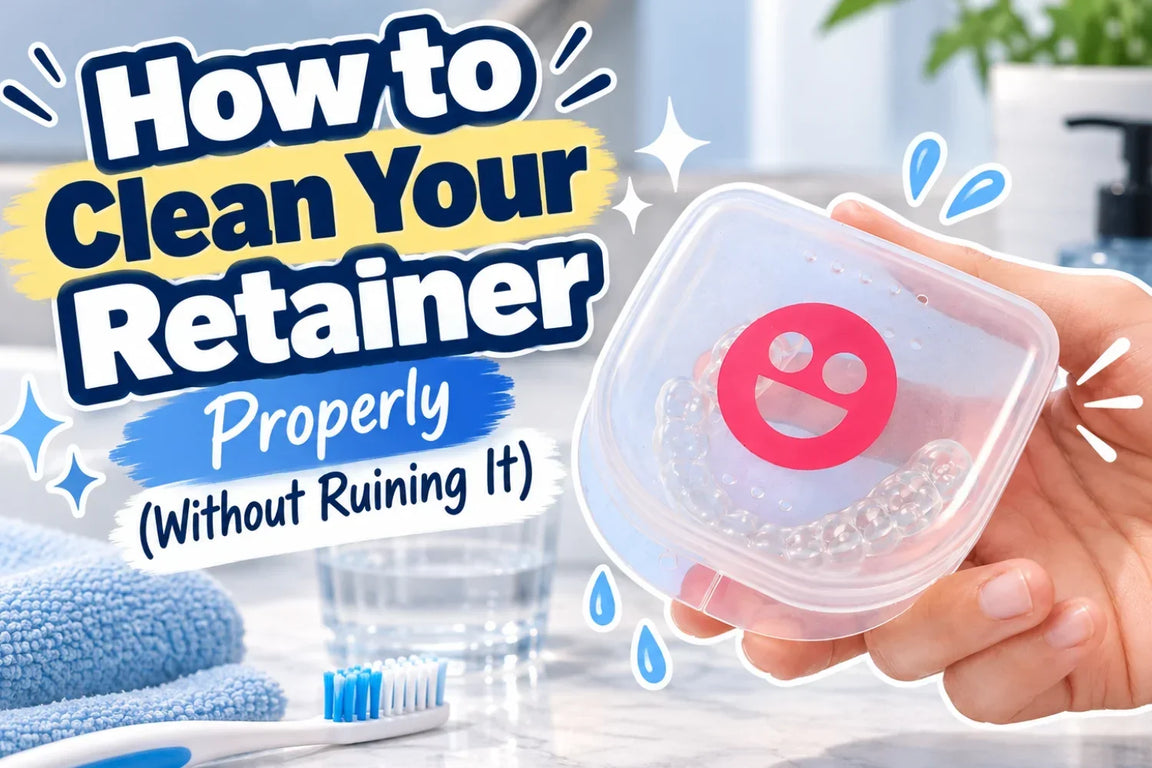
After you remove the mouthguard or retainer, rinse it under lukewarm water to clean food particles or loose debris.
Use a soft, bristled brush to clean all surfaces gently.
Never use hot water or place your retainer in a dishwasher, as extreme heat can damage the material.
Keep the mouthguard or retainer in its case when not in use.
You can soak your retainer in a mixture of baking soda and water.
Mix hydrogen peroxide with water and soak your retainer for a quick and effective cleaning solution for a few minutes.
Another option is to soak your retainer in a solution of vinegar and water.
Regularly clean your retainer case with soap and water to prevent bacteria buildup.
1. Is a dental guard the same as a mouth guard?
They are the same thing but serve different purposes. Dental guard is often used for guards designed for teeth grinding. In comparison, mouth guard is a broader term that includes night guards, sports guards, and many more.
2. How to stop the night grinding of teeth?
You can use a night guard, manage stress & anxiety, and improve sleep habits.
3. Can you eat with a mouthguard?
No, you should not eat or drink while wearing a mouthguard, as food particles can get trapped and create a breeding ground for bacteria.
4. Can I sleep with a mouthguard?
Yes, you can and often should sleep with a mouthguard, especially if it is a night guard designed to prevent teeth-grinding or address issues like sleep apnea.
· Updated
Maybe it went out with a napkin at lunch, or the dog found it, or you heard a small crack...
Wearing a retainer keeps your teeth straight long after braces, but also traps bacteria, plaque, and food particles in the...
Tooth crowding is a common problem that affects oral health in both children and adults. It appears when there’s insufficient...


Your cart is empty