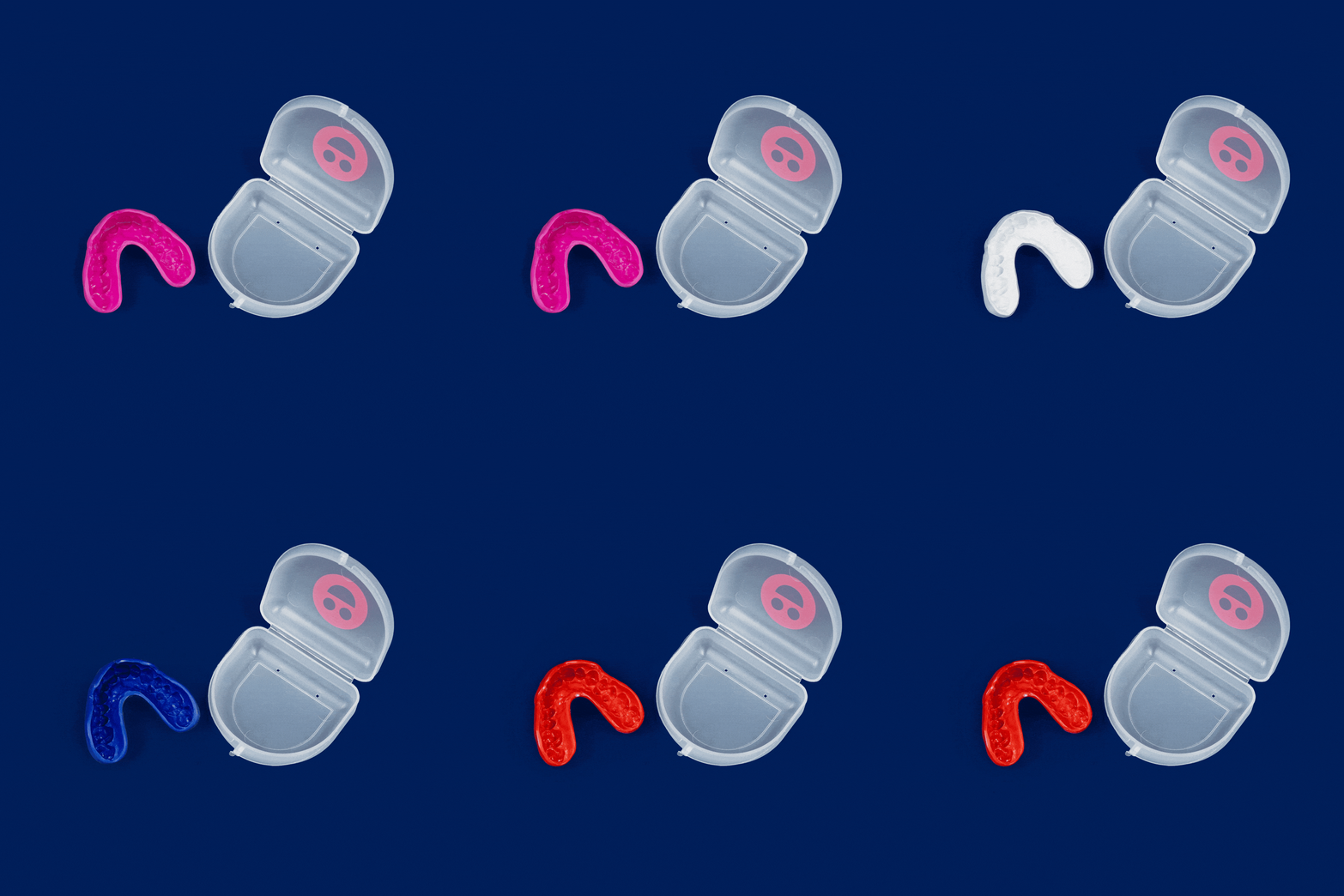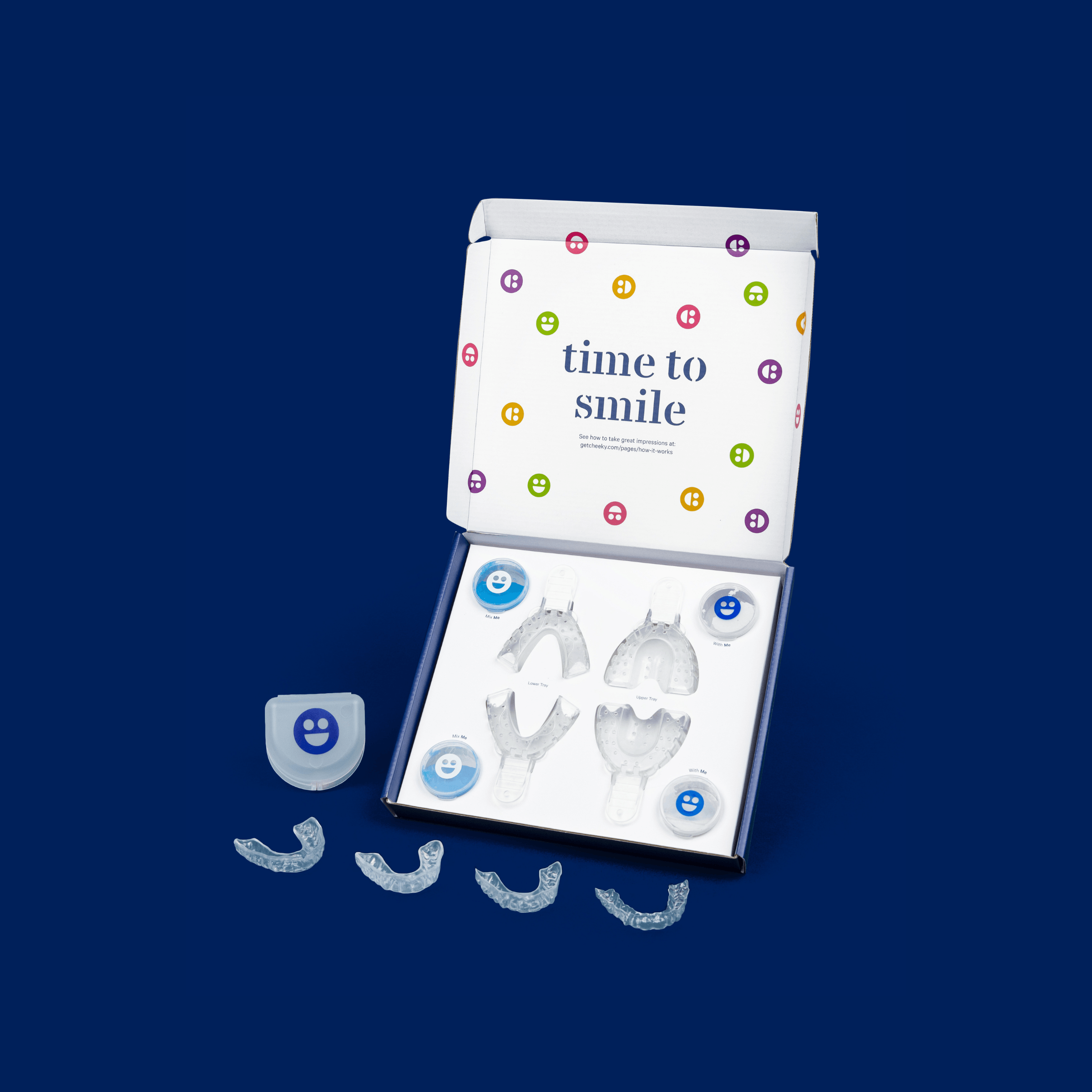




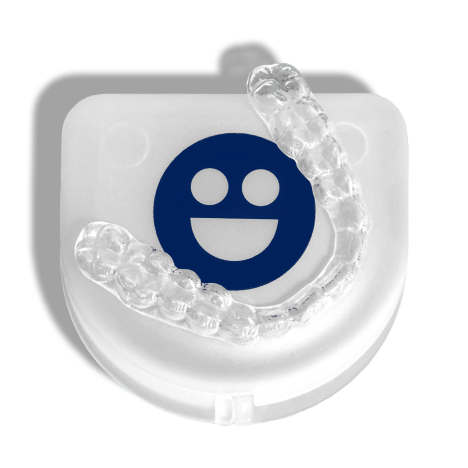
Mouth guards and night guards protect teeth from grinding (bruxism), clenching, and impact during sports. Custom-fitted guards from dentists ($300-$800) or custom-made lab options ($100-$200) will give you superior comfort and durability. Boil-and-bite options ($15-$50) protect against mild to moderate grinding. Night guards address bruxism during sleep, and sports guards shield against athletic injuries. A good fit, the right materials, and grinding severity determine the best choice for you.
Top Picks
Best Overall Night Guard: GetCheeky Custom Guard – Laboratory-crafted from dental impressions for precise fit and long-term durability.
Best Budget Option: DenTek Comfort-Fit Night Guard – Affordable boil-and-bite design suitable for occasional grinders with mild symptoms.
Best for Heavy Grinding: Pro Teeth Guard Hard Acrylic Night Guard – High-strength material is good for severe bruxism without cracking.
Best Sports Mouth Guard: GetCheeky Custom Sports Mouth Guard – Professional-grade protection for every athlete and any sport.
Best for TMJ Relief: GetCheeky Custom Night Guard – Helps stop jaw pain, headaches, and poor sleep that comes with TMJ.
Specifications Comparison Table
|
Type |
Material |
Fit Method |
Price Range |
Durability |
Best For |
|
Custom (Dentist) |
Hard acrylic or soft silicone |
Professional impression |
$300-$800 |
3-5 years |
Severe grinding, TMJ, optimal comfort |
|
Custom (Lab-Direct) |
Medical-grade polymer |
At-home impression kit |
$100-$200 |
2-3 years |
Moderate to severe grinding, budget-conscious |
|
Boil-and-Bite |
Thermoplastic EVA |
Heat-molded at home |
$15-$50 |
6-12 months |
Mild to moderate grinding, first-time users |
|
Stock/Universal |
Soft rubber or silicone |
One-size-fits-all |
$5-$20 |
3-6 months |
Occasional use, emergency protection |
|
Dual-Layer Sports |
Outer shell and gel liner |
Boil-and-bite |
$20-$60 |
1-2 seasons |
Contact sports, high-impact activities |
How to Choose the Right Mouth Guard or Night Guard For You
-
Mouth Guard Fit – If you’re looking for the best fit, then custom-fitted guards are secure, comfortable, and will stay in place. One cheaper option is a boil-and-bite guard, which softens in hot water to mold to your teeth, offering some customization. However, they may feel bulkier in the mouth and won’t be as comfortable as custom-fitted guards.
-
Grinding Severity – Mild grinders can manage with softer boil-and-bite guards, but if you’re a moderate grinder, then you’ll benefit from dual-layer designs, which provide cushioning and durability. For severe bruxism, look for acrylic guards as they’re likely to be more durable.
-
Comfort Factors – Thinner guards (1-2mm) feel less bulky in the mouth, but they’ll wear down a lot faster. That said, thicker options (3-4mm) will give heavy grinders better protection, but they may feel uncomfortable. Custom-fitted guards are likely to be more comfortable as they’re molded to your mouth.
-
Budget – Dentist-quality custom guards for severe grinding will cost an average of $300-$800. Customized lab guards are likely to cost $100-$200 and work well for regular bruxism. Budget options ($15-$50) are good for mild grinding or testing whether guards help before you choose to commit to a more costly version.
What Are the Best Mouth Guards?
Different mouthguards have different purposes, which is why the best guard for you will depend on your specific needs. Ask yourself what you need a mouth guard for:
-
Athletic protection
-
To prevent tooth grinding
-
To stop clenching
Regardless of which type of mouth guard you choose, custom-fitted guards are always the best option to go for, as they’re molded precisely to your dental anatomy. This means they’re more likely to be durable and comfortable, as well as offering good protection compared to over-the-counter options.
These guards can last multiple years with proper care, which includes:
-
Rinsing the guard with lukewarm water every day.
-
Brushing the guard weekly with a soft toothbrush and mild soap.
-
Storing in a protective case.
-
Avoiding heat (direct sunlight, hot cars) to stop the material from warping.
Lab-direct custom guards like GetCheeky are excellent options, as they’re more affordable than dentist mouth guards, typically costing $100-$200. You usually receive mail impression kits for creating at-home molds. Look for BPA-free, medical-grade materials approved by dental associations.
Do Mouth Guards Help With Sleep Apnea?
Yes, mouth guards can help with mild to moderate obstructive sleep apnea (OSA), but they're not appropriate for all cases, and you’ll likely need medical evaluation.
You can get specialized mouthguards known as mandibular advancement devices (MADs) to help with sleep apnea. These mouth guards reposition the lower jaw forward. They stop the airway from collapsing by keeping the tongue and soft tissues from blocking airflow during sleep.
Clinical studies, including those published in Med Oral Patol Oral Cir Bucal, show MADs reduce apnea-hypopnea index (AHI) scores in 50-70% of patients with mild to moderate OSA, though effectiveness varies by individual anatomy. These types of mouth guards work best for people with retruded jaws, small airways, or tongue-based obstructions rather than central sleep apnea, which is caused by neurological issues.
Mouth Guards and Sleep Apnea: Important Limitations:
Standard night guards designed for teeth grinding do not treat sleep apnea and may actually make symptoms worse by restricting airway space even more. You should only consider MAD-style devices specifically engineered for the airways. You’ll need to have these fitted by a professional and undergo sleep study monitoring.
According to Mayo Clinic, you may need to seek medical intervention for sleep apnea if you experience symptoms such as loud snoring, gasping during sleep, awakening with a dry mouth, daytime fatigue, or morning headaches.
How Much Are Mouth Guards?
You’ll find that mouth guard prices can vary dramatically based on a range of factors, such as the level of customization, the materials the guard is made from, and where you buy it:
-
Custom Mouth Guards from Dentists: These range from $300-$800. They’re created in a laboratory and can last 3-5 years, depending on the material and level of care. You might be able to get partial dental insurance coverage if you’re using your guard for bruxism or TMJ.
-
Lab-Direct Custom Guards: This high-quality option comes in at a fraction of the cost of getting them from a dentist, at $100-$200. Online companies send out impression kits. You create teeth molds at home and mail them back. The company creates them, and you receive a custom guard within 2-3 weeks.
-
Boil-and-Bite Guards: These typically range between $15 – $50 at pharmacies and online retailers. These thermoplastic guards soften in hot water for home molding, offering decent customization if you have a mild grinding problem. Replace them every 6-12 months as the material degrades.
-
Stock/Universal Guards: These one-size-fits-all designs come in at $5-$20 with minimal customization. These offer a poorer fit than customizable options, which means they’re best suited for emergency or short-term use.
-
Sports-Specific Guards: Expect to pay $20-$60 for quality multi-layer designs from athletic brands. High-end custom sports guards can reach $150-$300 when fitted by sports dentists for professional athletes. These are designed for impact protection and not medical conditions like bruxism.
Note – You typically need a diagnosis of bruxism or TMJ disorder to qualify for insurance coverage. Out-of-pocket costs depend on whether guards are deemed medically necessary or for cosmetic protection.
How Do Mouth Guards Work?
Mouth guards create a protective barrier between upper and lower teeth. They stop direct tooth-to-tooth enamel contact, which reduces wear, chipping, and fractures during clenching or grinding. They also absorb and help distribute bite forces that would otherwise cause localized damage to the teeth.
The device works in different ways:
-
Force distribution – This spreads bite pressure across the entire guard surface rather than concentrating on individual teeth.
-
Shock absorption – Mouth guards use compressible materials to dampen impact energy.
-
Jaw repositioning (in some designs) – They can slightly alter the jaw position, which reduces muscle tension. The effectiveness of this varies by device and the person.
Mouth Guards and Sports Protection
Sports mouth guards are designed to absorb sudden impacts that could otherwise drive teeth through soft tissues, fracture tooth roots, or even cause jaw injuries. Mouth guards for sports protection are made up of multiple layers of hard, outer shells (that are difficult to penetrate) with softer inner liners that cushion the blow and stop the guard itself from causing injury.
Mouth Guards and Materials
Mouth guards come in a few materials:
-
EVA (ethylene-vinyl acetate) - This creates a softer guard that compresses easily for comfort but wears quickly under heavy grinding.
-
Hard acrylic – This material resists wear but may crack under extreme forces.
-
Dual-laminate guards – These are the best of both worlds, and are made of both materials for even better protection and longevity.
How Do Mouth Guards Work for Teeth Grinding?
Dental offices like Corve Street Dental have reported that grinding generates forces of up to 250 pounds per square inch during severe episodes. This slowly erodes enamel, increasing sensitivity and cavity risk.
Mouth guards for teeth grinding are designed to stop this by creating a barrier that keeps upper and lower teeth apart. The barrier wears down instead of your natural teeth.
Some night guards have a specific design, with the barrier being thicker underneath the molars (where there’s likely to be more grinding), and thinner near front teeth for comfort. However, this design feature isn’t available on all mouth guards, so keep that in mind when shopping for them.
According to Mayo Clinic, a mouth guard can make it possible to recondition grinding behaviors. The foreign object in your mouth may reduce subconscious grinding frequency, though this varies from person to person. Having a guard and using stress management and therapies may help with behavioral bruxism.
What is the Best Night Guard for Teeth Grinding?
The best night guard for teeth grinding depends on different factors, such as:
-
The severity of the bruxism
-
Jaw alignment
-
Personal comfort preferences
If you’re a severe grinder, then hard acrylic guards (3-4mm thick) may be the best choice for you. They offer superior durability and protect the teeth without degrading quickly under intense clenching forces. They typically last 3-5 years with proper care.
Moderate grinders often prefer dual-laminate guards, which have both a hard exterior and a soft interior layer for protection and comfort. This type of guard is designed to cushion the jaw while protecting against grinding forces, making it suitable for those who find fully hard guards too rigid or uncomfortable.
Soft silicone guards work for mild grinding but may encourage chewing behavior in some users, potentially worsening bruxism. These guards feel most comfortable initially but wear down fastest, and you’ll likely need to replace them every 6-12 months.
Custom-fitted guards (whether from dentists or lab-direct services) outperform boil-and-bite options for long-term grinding management. Because they’re precisely molded to your mouth, this distributes pressure evenly and stops the guard slipping while you’re asleep. This is something that over-the-counter guards cannot match.
Consider guards with anterior coverage (the portion of the device that extends over the front teeth) if you primarily grind front teeth. Full-arch designs offer full protection. Some users benefit from upper guards while others prefer lower guards based on jaw anatomy. If you’re unsure, a dentist can assess which placement works best for your bite.
Does Dental Insurance Cover Night Guards?
You can get dental insurance for night guards when they’re seen as medically necessary for treating diagnosed bruxism, TMJ disorders, or other related conditions. However, coverage can vary significantly by plan and provider.
Most policies categorize custom night guards as "major" dental work, covering 50-80% of costs after deductibles, with annual maximum limits typically ranging from $1,000-$2,500.
Key Coverage Requirements
To qualify for dental insurance, dentists must document clinical signs of teeth grinding, such as:
-
Worn enamel
-
Fractured teeth
-
Jaw pain
-
Temporomandibular joint dysfunction.
Insurance rarely covers guards for prevention alone without evidence of existing damage.
Typical Coverage Scenarios
-
PPO plans generally offer better night guard coverage than HMO plans, though in-network providers usually receive higher reimbursement rates.
-
Some plans limit coverage to one guard every 2-5 years, viewing them as durable medical equipment with expected multi-year lifespans.
-
Over-the-counter boil-and-bite guards purchased at pharmacies don’t receive any insurance reimbursement since they're not prescribed or fitted by dental professionals.
-
Lab-direct custom guards also typically aren't covered since they bypass traditional dental office procedures.
Cost-sharing examples: With 50% coverage on a $600 custom guard, you'd pay $300 out-of-pocket after the deductible. If your plan's annual maximum is already exhausted from other dental work, you'll pay the full cost. Review your specific plan's prosthodontic or occlusal guard coverage before going ahead.
How Long Do Night Guards Last?
How long night guards last depends on a few different factors, including the severity of grinding, material type, and night guard care, ranging from 6 months to 5+ years:
-
Hard Acrylic Guards: These can last 3-5 years for moderate grinders. You may need to replace them every 1-2 years if you have severe bruxism.
-
Soft Silicone Guards: Expect these guards to last 6-12 months. You may need to replace it when the guard feels thin, develops holes, or no longer provides cushioning.
-
Dual-Laminate Guards: These can last 1-3 years.
-
Boil-and-Bite Guards: Expect these types of mouth guards to last 4-8 months for regular nighttime use. These budget guards are good for short-term use but may need frequent replacement.
Your guard may need replacing when you notice the following signs:
-
Visible cracks
-
Holes
-
Tears
-
Persistent discomfort
-
Poor fit after cleaning
-
Excessive thinning in grinding zones
-
Sharp edges
To extend the lifespan of your guard, rinse it immediately after you’ve used it, clean it with non-abrasive toothpaste weekly, store it in a ventilated case to stop bacteria from growing, and avoid hot water that warps thermoplastic materials.
How Much Do Night Guards Cost?
Night guard costs span a wide range based on a variety of factors:
-
Dentist-Fabricated Custom Guards: $300-$800, depending on dental practice overhead and material selection. These prices include examination, impressions, laboratory fabrication, and fitting adjustments.
-
Lab-Direct Custom Guards: $100-$200 through online services like GetCheeky. You receive an impression kit by mail, create teeth molds at home, return them for professional fabrication, and get a custom guard in 2-3 weeks. Expect a 60-75% cost savings compared to dentist guards.
-
Boil-and-Bite Night Guards: $15-$50 at pharmacies or online retailers. These thermoplastic guards soften in hot water for home molding, offering a reasonable fit for mild to moderate grinding.
-
Stock Guards: $5-$20 for universal-fit designs that don’t need customization. They can be uncomfortable and impractical for regular nighttime use, but they work well in the short term.
Can You Use a Sports Mouth Guard for Teeth Grinding?
Although you can use a sports mouth guard for teeth grinding in the short term, they’re not designed for regular nighttime use, especially for conditions such as bruxism. This is mainly because:
-
They’re designed for high-impact sports, not sleep. This means they’re thick and bulky to protect the front teeth and lips (where athletes are more likely to injure their mouths). Because of this, they can be uncomfortable to sleep in. They can also cause breathing restrictions.
-
The materials are different from night guards. This is because sports guards use softer, more flexible materials to cushion sudden impacts. For conditions like bruxism, you’ll need harder materials, like acrylic, to support and discourage grinding.
-
Sports guards have a tighter fit. Since they need to stay in place while you’re active, they may have straps or extra-thick flanges that press against gums, which can be restrictive and uncomfortable for sleep.
The ADA (American Dental Association) recommends wearing a properly fitted mouthguard to reduce the incidence and severity of oral injury in sporting or recreational activities, particularly activities with significant risk of dental trauma or orofacial injury.
Where to Buy a Sports Mouth Guard
You can get a sports mouth guard at a range of different places with varying quality and price points:
-
Sporting Goods Stores: Specialized stores will have extensive selections, Prices range $15-$60 for good quality guards.
-
Online Retailers: Amazon, eBay, and brand websites like GetCheeky offer broad selections with customer reviews to help you make the best choice for you. Look for guards with 500+ reviews and 4+ star ratings.
-
Pharmacies: They stock basic sports guards, typically $10-$30.
-
Dental Offices: If you’re an athlete in contact sports (football, hockey, boxing, martial arts), orthodontics offers custom-fitted sports guards ($150-$300) that provide superior protection.
-
Team/League Suppliers: School athletic programs and amateur leagues sometimes bulk-purchase guards. These partnerships may offer discounted team pricing.
Protecting Your Smile With a Custom Mouth Guard
Choosing the best mouth guard comes down to choosing the best mouth guard for you. Although there are plenty of mouth guards on the market, it’s important to take into consideration the protection level you need, material preference, and budget range. If you suffer from bruxism, then a night guard will be best for you, whereas sports guards are designed to absorb impact and protect your mouth during intense sports. Always look at detailed product specifications and customer reviews to help you make your decision.
External Citations
-
Mayo Clinic Staff. (2025/12/9). Sleep apnea. Mayo Clinic.
-
Mayo Clinic Staff. (2024/12/9). Teeth grinding (bruxism). Mayo Clinic.
-
Research Services and Scientific Information. (2025/8/18). ADA.
-
Corve Street Dental Ludlow. (N.D). How To Stop Teeth Grinding (causes & Treatments). Corve Street Dental.
-
Durán-Cantolla J, Crovetto-Martínez R, Alkhraisat MH, Crovetto M, Municio A, Kutz R, Aizpuru F, Miranda E, Anitua E. (2015). Efficacy of mandibular advancement device in the treatment of obstructive sleep apnea syndrome: A randomized controlled crossover clinical trial. Med Oral Patol Oral Cir Bucal.